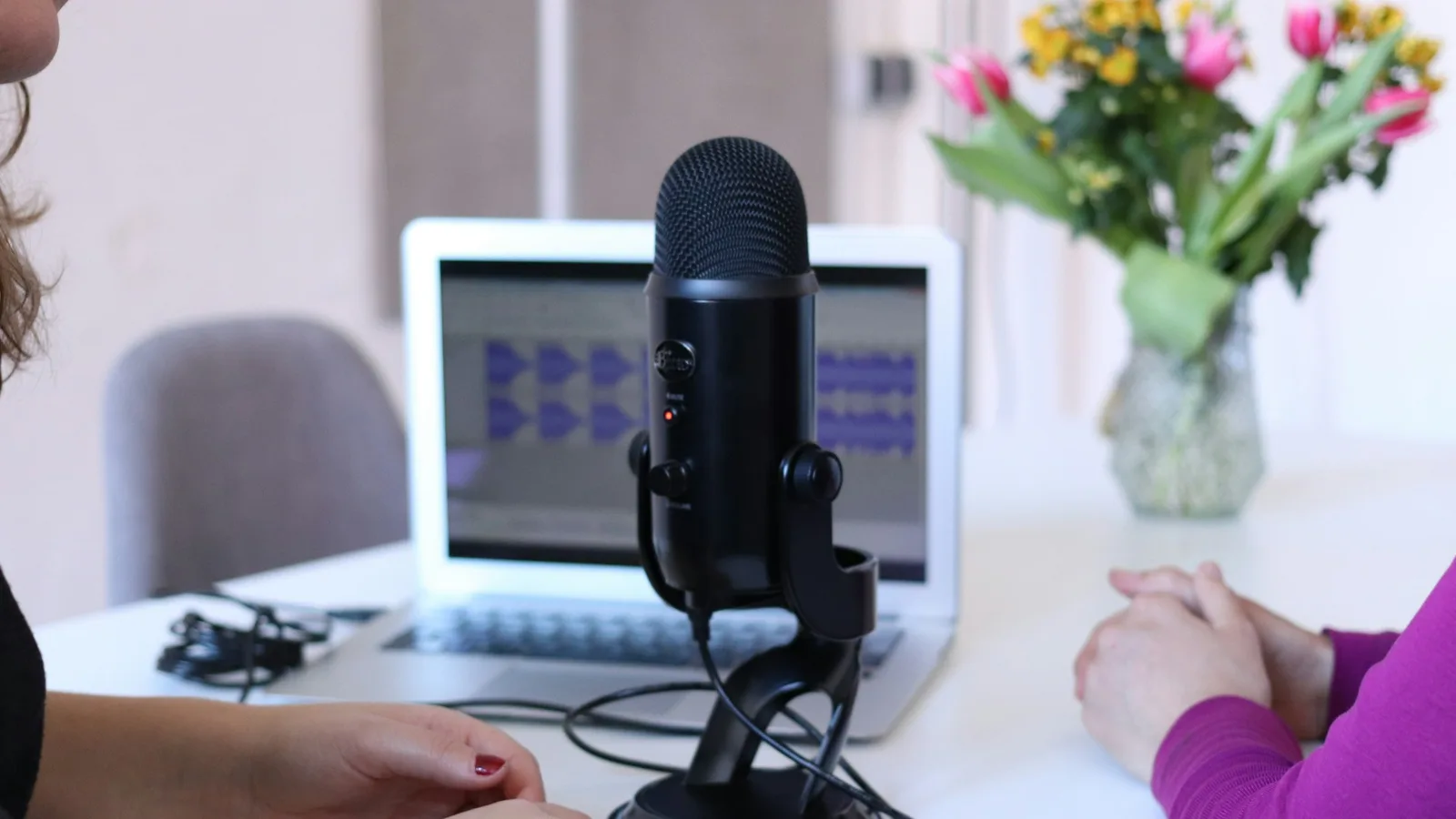
Recording a consultation engages two bodies of law. The health information collected in the consult falls under the Privacy Act 1988 (Cth). The recording of the conversation falls under state and territory surveillance and listening device legislation, which is not uniform and applies whatever documentation tool is used.
State and territory rules
Surveillance and listening device legislation is state and territory law and is not uniform. It turns on whether the conversation is private, which a consultation ordinarily is, and whether the person recording is a party to it. Some jurisdictions allow a party to record without the others agreeing. Others require every party to agree.
Express consent from everyone in the room, taken at every recorded consult, meets the strictest of those rules. Check the Act that applies where you practise.
Timing of the ask
Consent to treatment does not carry consent to record. It is taken at the start of the consult, before capture starts, and attaches to that consult. A form signed at registration months earlier does not carry it, and neither does a notice at reception.
Wording for the ask, and what goes in the file afterwards: taking consent for an AI scribe.
Refusal and withdrawal
A patient can refuse the recording and go ahead with the consult. Capture stays off for the whole visit and the note is handwritten or typed. A refusal settles that visit only.
Consent can be withdrawn at any point, and capture stops there. A patient can also ask for one topic to be left out, with capture resuming after it. The rest is documented by hand.
Audio and drafts captured before the withdrawal already exist. Deletion runs on request. What is deleted and what the practice keeps. A patient asking afterwards for the recording to be removed is making a deletion request to the practice. Audio retention and deletion.
Children and young people
A parent or guardian gives the consent for a young child. A young person with the capacity to consent to their own treatment can consent to the recording. Where that capacity is unclear the question goes to both, and either can stop the recording. An adolescent seen alone for part of a consult is asked directly before that part is captured. AI documentation in paediatrics.
Other people in the room
The microphone captures every voice within range. A carer, second parent, support person, interpreter, chaperone or student is recorded along with the patient, so the ask is put to them by name, and each adult in a group consult hears it before capture starts.
One person objecting keeps capture off while that person is in the room. Consultations with interpreters.
Telephone and video consults
A video consult is recorded under the same consent, taken on the call before capture starts. Anyone within hearing at either end is covered, including a person off camera at the patient's end and a colleague at the clinician's. A consult that crosses a border brings two regimes into one appointment. Recording a telephone call is a policy question of its own. Telehealth consultations and AI documentation.
Consent in aurii
aurii does not ask the patient for consent. The clinician asks, and capture starts after the patient has answered. aurii drafts the consult note and any letters from what was said, and holds each one for the treating clinician to read, correct and sign.
This is general information for Australian clinicians and practice managers, not clinical, legal or financial advice.