The record is treated no differently for having been made on a call. Both voices have to reach the microphone, consent is asked for verbally before capture begins, and the note states the modality and, where the item is time-tiered, the duration.
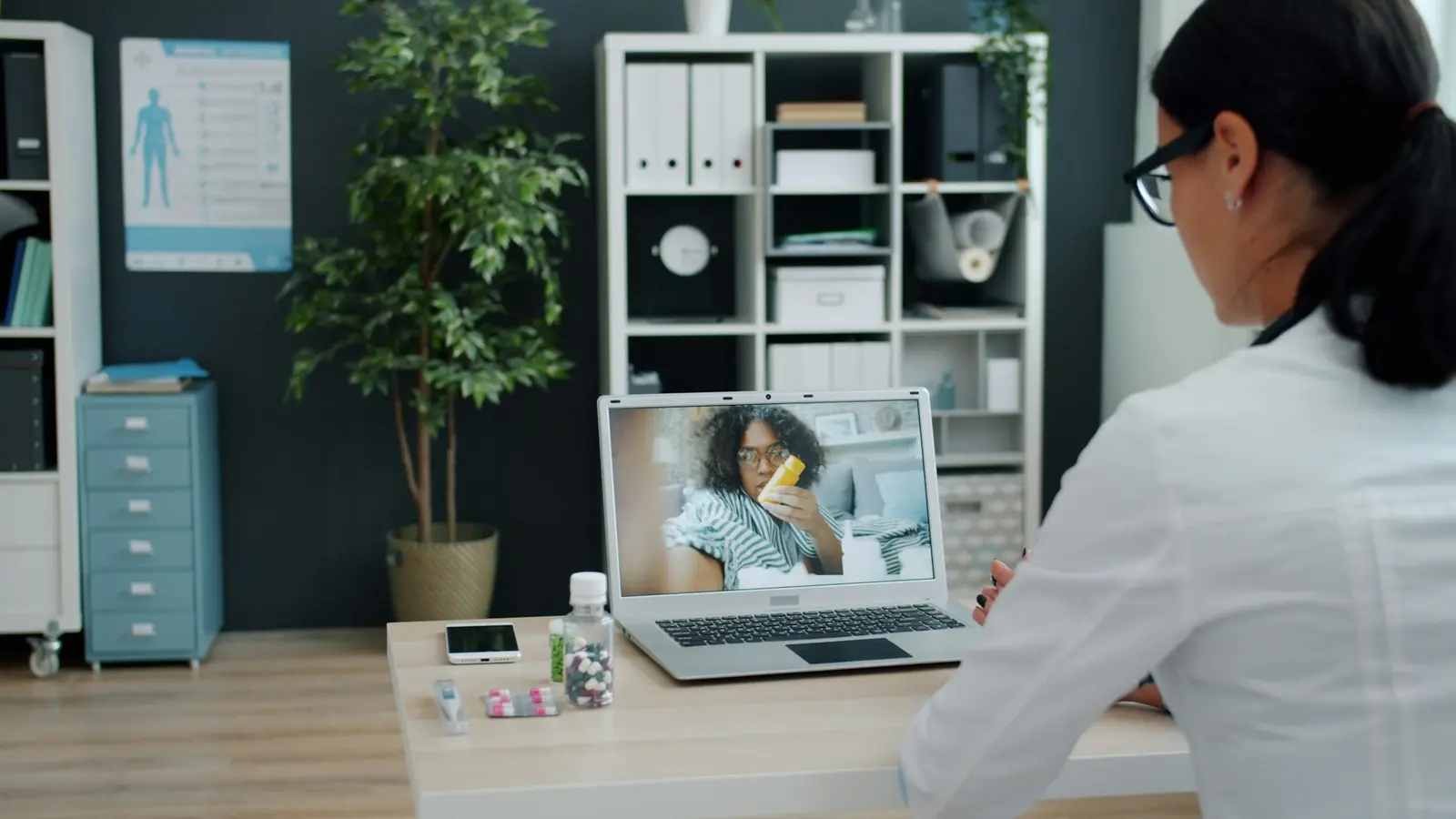
What a telehealth note carries
A telehealth note carries the clinical content a room consult carries, plus the modality and the duration. Ahpra's registration standards and the Privacy Act treat the record no differently for its having been made on a call.
Reviewing between calls keeps the note contemporaneous.
Call audio on phone and video
Both voices have to reach the microphone. A headset delivers the patient's voice to the clinician's ears alone, and the capture then holds one half of the conversation. Patient audio through the laptop speakers, a speakerphone on the desk, or a call carried through the computer with the sound aloud puts both voices in the room. A handset held to the ear keeps the patient out of range. Ask a vendor whether its capture reads the device's call audio or listens through the microphone, because that decides whether a headset is usable.
A poor line reaches the draft as a dropped syllable in a drug name or a dose. Repeating doses and medication names back during the call puts them in the capture twice. A headset carried out of a video call into a room consult leaves the microphone hearing one voice again.
Consent over video
Consent to capture is asked for verbally at the start of the call, before capture begins.
Wording that covers it: 'I use a tool that listens to our conversation and writes a draft of my notes. I review and sign the note myself. Your information is handled under the practice's privacy policy. Are you happy for me to use it today?' The answer goes in the note, the same as any other verbal consent.
If the patient declines, the capture goes off. Some practices name the documentation tool in the telehealth appointment reminder. Wording, and what to do with a refusal, is on consent to record a consultation.
MBS telehealth items and the note
Video and phone attract separate MBS item numbers with their own descriptors, and some services are claimable only when delivered by video. Descriptors and rules change, so read the current descriptor for the item you are claiming on MBS Online before you bill it.
Most general practice telehealth items also require an established clinical relationship with the practice, in general terms a face-to-face attendance in the previous twelve months, with limited exemptions.
The note substantiates the claim. It states:
- the modality, stated as video or phone
- clinical content that meets the item descriptor, at the standard a face-to-face note would meet
- the duration, where the item is time-tiered
- the patient's verbal consent to the documentation tool, where one was used
- what supports the established clinical relationship, where the item requires one
aurii in a telehealth consult
With the patient's verbal consent, aurii captures the clinician's side of a phone or video consult and drafts the consult note, referral letter or discharge summary. A dropped word on a poor line arrives as a gap in the draft for the clinician to correct before signing.
Nothing leaves aurii until a clinician signs it. Clinical safety.
No. Capture runs on the clinician's device, so the patient needs only the phone or video setup the consult was already using. Their part is the consent question at the start of the call.
The audio carries a purge date 30 days after the session by default, and the signed note stays in the practice record. Account deletion.
Yes. The draft goes to the treating clinician to review and sign. Signed letters go out over Medical Objects. Integrations.
This is general information about telehealth documentation, not clinical or legal advice.